
Smart Ways to Extend the Life of Your Old Fence
Fence repair options for aging fences depend on the damage, the fence material, and your long-term plans. In many cases, you can replace a few boards, posts, or hardware parts instead of tearing everything down. Other times, sections need reinforcement or partial rebuilds. The right choice saves money and keeps your yard secure and private.
Repair or Replace: the Quick Decision Answer
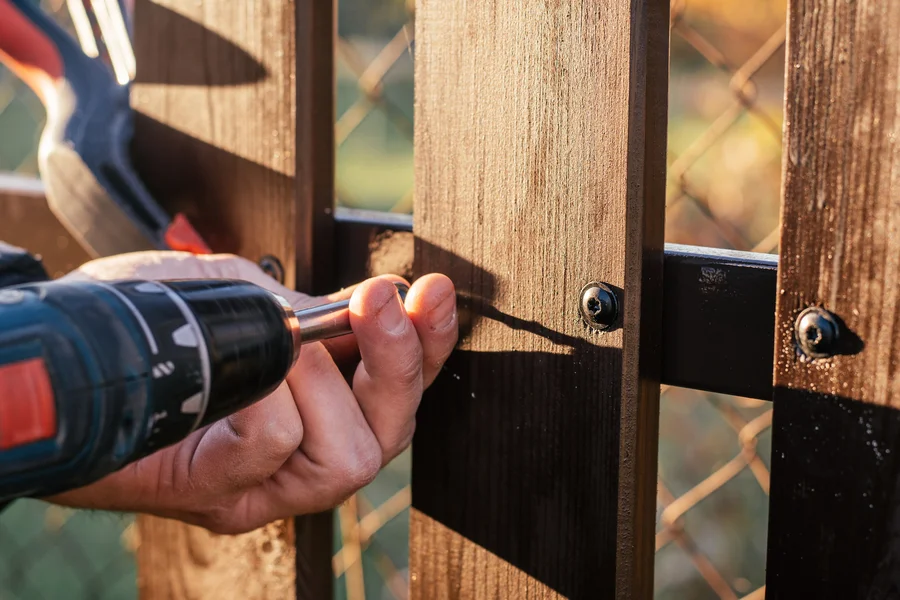
If less than 20 to 30 percent of your fence is damaged, fence repair is usually the better choice. Small issues like loose pickets, one leaning post, or minor rot can often be fixed without major work. If large sections are rotting, warping, or falling apart, replacement may make more sense.
Start by looking at the structure. Are the posts solid? Is the frame straight? If the core support is strong, repairs can add years to your fence.
Common Fence Repair Options
Aging fences often fail in predictable ways. Wood may rot at the bottom. Metal can rust near joints. Vinyl may crack after years of sun exposure. Here are common repair options:
- Board or picket replacement: Swap out cracked or rotted pieces.
- Post repair or reset: Straighten and re-secure leaning posts with fresh concrete.
- Rail replacement: Install new horizontal rails if they sag or split.
- Panel replacement: Remove and replace one full section instead of the entire fence.
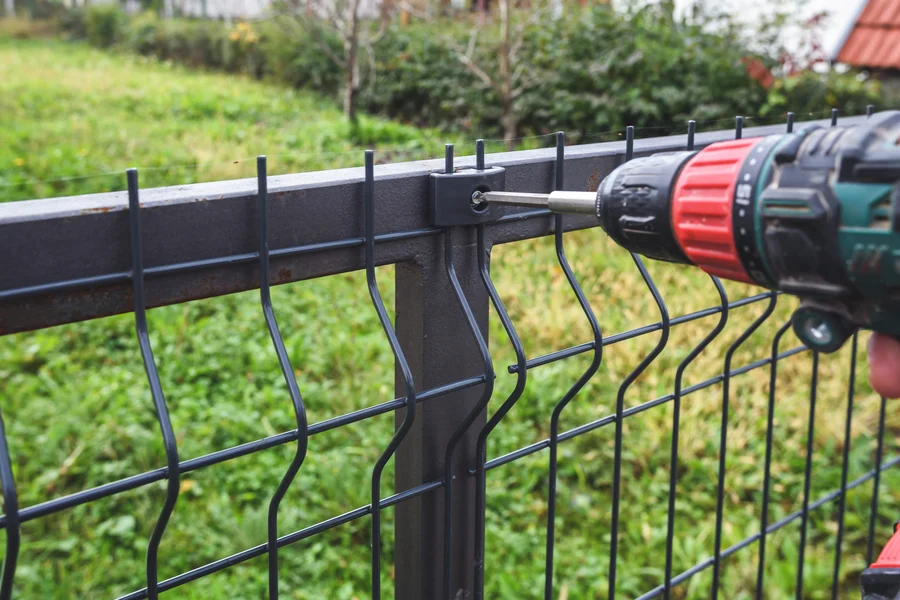
- Hardware updates: Replace old nails, screws, hinges, and latches.
These targeted fixes can improve both strength and appearance without the cost of full replacement.
Pros and Cons of Repairing an Aging Fence
Pros:
- Lower cost than full replacement
- Faster project timeline
- Less disruption to your yard
- Extends the life of your current fence
Cons:
- May not match older, faded materials
- Structural issues may return if the fence is very old
- Multiple repairs over time can add up
If your fence is over 20 years old and showing widespread rot or rust, repeated fence repair visits may not be the best long-term plan.
Best Repair Option by Fence Type
Wood Fences: Wood fences often need board replacement and post reinforcement. If caught early, you can remove rotted sections and seal the rest to slow future damage.
Chain Link Fences: Repairs usually involve tightening loose mesh, replacing bent rails, or setting new posts. Rusted sections can often be cut out and replaced without removing the full fence line.
Vinyl Fences: Cracked panels can be swapped out if the posts are still stable. Faded vinyl cannot be restored, but structural repairs are common.
Wrought Iron or Metal Fences: Rust removal and repainting can bring aging metal back to life. Severely corroded sections may need welding or fabrication.
Matching the repair method to the material makes a big difference in how long it lasts.
Mistakes People Make When Choosing Repairs
Homeowners sometimes patch surface problems without checking the structure underneath. For example, replacing boards without inspecting posts can lead to future leaning. Another mistake is mixing different wood types, which can weather unevenly.
Some people delay repairs for too long. A single loose post may not seem urgent, but wind and rain can make the problem worse. Acting early keeps the repair smaller and simpler.
Using the wrong fasteners is also common. Outdoor fences need exterior-rated screws or nails that resist rust and moisture.
Quick Fence Repair Decision Checklist
- Check if posts are solid and upright.
- Look for widespread rot or isolated damage.
- Count how many panels are affected.
- Think about your long-term plans for the property.
- Compare repair costs to partial or full replacement.
If most of your fence passes inspection and only small areas need work, fence repair is often the smart move. If the structure is failing throughout, replacement may save stress later.
When to Call a Professional Fence Team
Simple fixes like replacing a few boards can be a DIY project. But resetting posts, aligning large sections, or handling rusted metal often requires special tools and experience. Poor alignment can cause gates to drag and panels to lean.
A professional can inspect the entire fence line and tell you whether repairs will last or if replacement is a better plan. That clear answer helps you avoid spending money twice.
Get Honest Advice on Your Aging Fence
If your fence in Cumming, GA is showing signs of age, we can inspect it and walk you through your repair options. At ESP Fencing LLC, we focus on practical solutions that fit your goals and budget. Call (470) 380-7740 to schedule an evaluation and let us help restore strength and stability to your fence without replacing more than needed.